
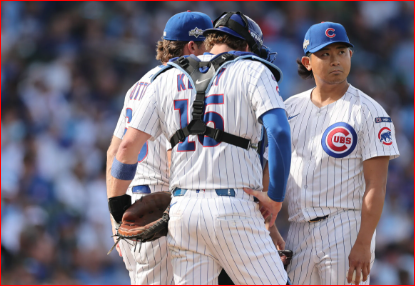
Signing Alex Bregman ranks among the most significant transactions the Chicago Cubs have made since Jed Hoyer assumed control of baseball operations from Theo Epstein, standing alongside marquee moves like the Dansby Swanson deal and the Kyle Tucker trade.
Now slated to be the Cubs’ everyday third baseman, Bregman brings an impressive résumé as a three-time All-Star and two-time World Series champion. His elite offensive production, dependable defense, and championship experience should be invaluable as the organization approaches the 10-year mark since its historic 2016 title run.
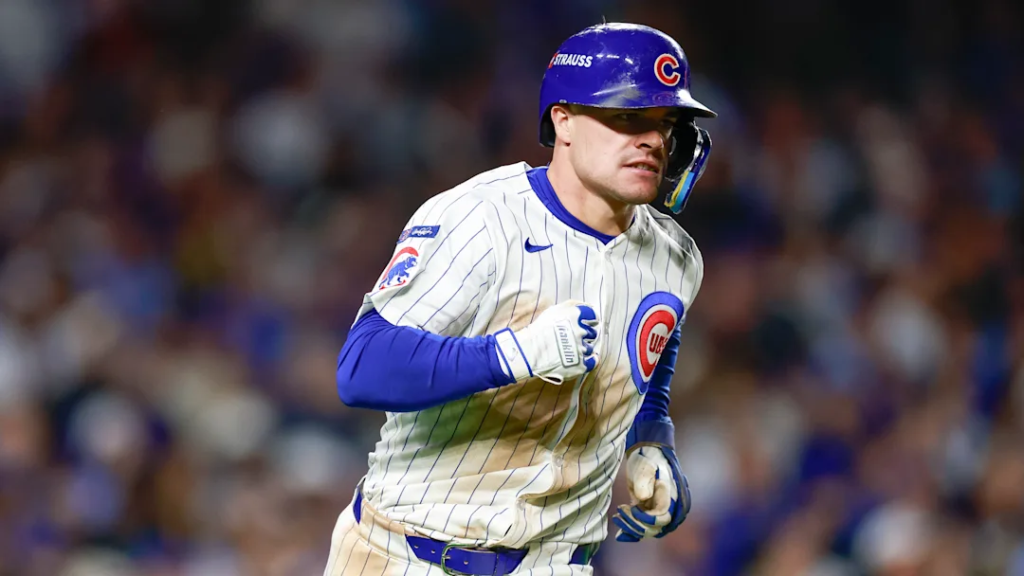
That said, adding a player of Bregman’s caliber inevitably creates ripple effects across the roster. While much of the attention will center on the financial commitment—$35 million annually for a player nearing his 32nd birthday—his arrival also significantly impacts the team’s infield depth, particularly former top prospect Matt Shaw.
The Cubs have several options with Shaw, but one path appears far more realistic when viewed through a long-term lens.
At first glance, Chicago now has an infield logjam: five infielders vying for four spots, with Moisés Ballesteros entrenched as the designated hitter. This could open the door for a trade involving one of last season’s starters, though Michael Busch, Dansby Swanson, and Bregman himself are essentially untouchable.
That leaves Nico Hoerner and Shaw as the most plausible trade candidates. However, the Cubs have consistently expressed a desire to keep Hoerner, citing his elite defense and exceptional contact skills at the plate.
Keith Law of The Athletic echoed that sentiment, suggesting Shaw is now the most obvious trade piece following the Bregman signing: “The Cubs now have one infielder too many, and they’re going to end up trading someone. The most obvious candidate is Shaw, whose rookie season was a disappointment at the plate thanks to some frequent mechanical changes and, according to people I’ve spoken to, resistance to help from the Cubs’ staff.”
Still, viewing the situation strictly through a trade lens may be shortsighted. Hoerner, like many veterans on the roster, is set to hit free agency after the 2026 season. If the Cubs don’t intend to extend him, Shaw could spend 2026 in a versatile bench role before being positioned as Hoerner’s replacement in 2027.
That plan isn’t without risk. Shaw has limited experience at second base—just 34 minor-league games—and his offensive output lacks the consistency Hoerner provides. Shaw finished his rookie campaign with a 93 wRC+, marred by extended cold spells offset by brief surges.
However, unless the organization is prepared to fully commit to prospects like James Triantos or Jefferson Rojas, Shaw remains a viable long-term option. He’s consistently dominated Triple-A pitching during his time in Iowa, and his defensive development accelerated as last season progressed.
Bregman’s long-term deal gives the Cubs flexibility in shaping Shaw’s future. With several potential departures looming in the near future, retaining Shaw appears to align most closely with the team’s broader organizational strategy.
Leave a Reply